Surface Water Flood Risk: The Hidden Threat to Development Viability
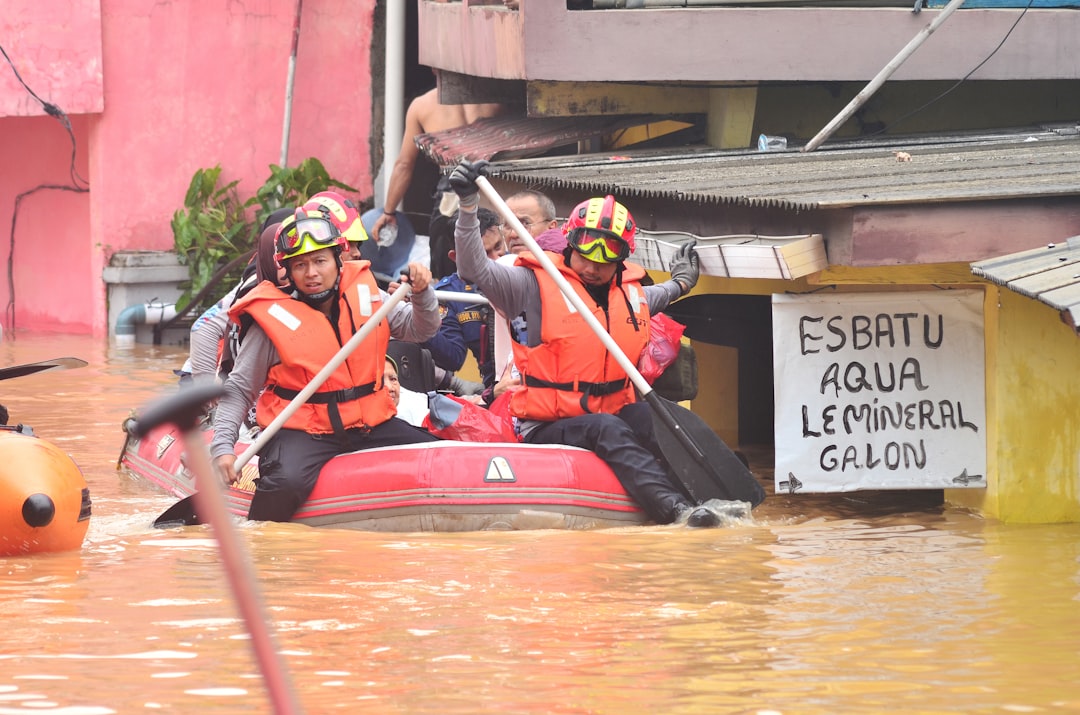
When developers think "flood risk," minds often drift to overflowing rivers or crashing coastal waves. But there's a sneakier, more widespread culprit causing development headaches and damaging properties across the UK: surface water flooding. Also known as pluvial flooding, this is the unwelcome guest that arrives when intense rainfall overwhelms drainage systems and the ground's ability to absorb water, turning streets into temporary streams and low-lying areas into paddling pools.
Don't underestimate this "hidden" threat. Surface water flooding now accounts for a staggering 60% of UK properties considered at risk of flooding. It's often overlooked during initial site selection, yet it can torpedo development viability with surprising efficiency. Our analysis of planning applications in Hull—a city all too familiar with surface water woes—revealed that drainage infrastructure costs ballooned by an average of 35% when these risks were identified late in the planning game. With climate change promising even more intense downpours, getting a grip on surface water flood risk isn't just good practice; it's essential for your project's profitability and planning success.
This guide will help you spot the warning signs, understand what Lead Local Flood Authorities (LLFAs) expect, and design cost-effective solutions.
What Exactly is Surface Water Flooding?
Unlike river (fluvial) or coastal (tidal) flooding, surface water flooding occurs when rainwater doesn't drain away properly through natural or man-made systems. This can happen due to:
- Intense Rainfall: Short, heavy bursts of rain overwhelm the capacity of drains and sewers.
- Saturated Ground: After prolonged wet weather, the ground simply can't soak up any more water.
- Impermeable Surfaces: Large areas of concrete and tarmac in urban environments prevent water from infiltrating naturally, leading to rapid runoff.
- Blocked Drains/Culverts: Debris or poor maintenance can stop drainage systems from working effectively.
- Topography: Water naturally flows downhill and can collect in low spots or be channelled along roads and pathways.
It can happen miles away from any river or coastline, often with little warning. Its impact can range from inconvenient ponding to significant property damage and disruption.
(Internal Link Idea: Link to an Aegaea service page "Comprehensive Surface Water Flood Risk Assessments")
Spotting the Signs: How to Assess Surface Water Risk Early
Proactive assessment during site selection and early design stages can save you a world of pain later. Here's what to look for:
- Official Flood Maps for Surface Water:
- England: The Environment Agency provides long-term flood risk maps that include layers for surface water risk (often showing different return periods like 1 in 30, 1 in 100, and 1 in 1000 years).
- Wales: Natural Resources Wales' Flood Map for Planning includes surface water data.
- Scotland: SEPA's Flood Maps also cover pluvial flood risk. (Potential Backlink: Links to these official mapping resources.)
- Local Authority Data: LLFAs often hold more detailed local surface water flood maps, historical flood records, and information on known problem areas or Critical Drainage Areas (CDAs). Always check with them!
- Topographical Surveys: A detailed topo survey will reveal low spots, natural flow paths, and areas where water is likely to accumulate on your site and surrounding land.
- Site Walkovers (Especially During/After Rain): Observing where water ponds or flows during wet weather can provide invaluable real-world clues that maps might miss.
- Ground Investigations: Understanding soil permeability is crucial. Impermeable ground means more runoff.
- Existing Drainage Infrastructure: Assess the condition and capacity of any existing drains, sewers, or watercourses on or near the site.
LLFA Expectations: What Your Drainage Strategy Needs to Show
Lead Local Flood Authorities are statutory consultees on planning applications for major developments concerning surface water drainage. They'll be looking for a robust Surface Water Drainage Strategy that demonstrates:
- Understanding of Risk: You've clearly identified and quantified the surface water flood risks to and from your site, considering future climate change.
- Adherence to SuDS Principles: Sustainable Drainage Systems are the go-to solution. Your strategy should follow the SuDS hierarchy (infiltration, source control, conveyance, storage). (Internal Link Idea: Link to Aegaea's blog "SuDS Compliance 2024: Meeting Mandatory Drainage Requirements")
- Restricted Discharge Rates: You generally won't be allowed to discharge surface water from your site at a greater rate than the pre-development (greenfield) runoff rate. For brownfield sites, a significant betterment (reduction in runoff) is usually expected.
- Sufficient Attenuation Storage: You need to provide enough on-site storage (e.g., in ponds, tanks, permeable paving sub-bases) to manage excess water during design storm events (typically 1 in 100 year + climate change allowance).
- Management of Overland Flow Paths: How will you safely manage water that exceeds your system's capacity during extreme events, ensuring it doesn't flood properties on or off-site?
- Water Quality Treatment: SuDS should incorporate stages to treat runoff and remove pollutants before discharge.
- Long-Term Maintenance: A clear plan for who will maintain the SuDS and how it will be funded.
Case Study: The Development That Dodged a Drenching (and Saved a Fortune)
A developer was looking at a seemingly flat, straightforward site for a new business park. Initial desktop flood maps showed minimal river/coastal risk. However, during our pre-acquisition due diligence, we overlaid detailed local surface water mapping and a topographical analysis. This revealed a significant historical overland flow path cutting diagonally across the proposed main access road and several premium plots – a relic of an old, filled-in ditch.
The Potential Impact (if missed):
- The access road would have been impassable during heavy rain.
- Several units would have been at high risk of frequent, disruptive flooding.
- Retrofitting a solution post-construction would have cost an estimated £500,000+ and caused major disruption.
The Proactive Solution:
- The site layout was redesigned to incorporate a landscaped swale along the historical flow path, turning a hazard into an amenity feature.
- Finished floor levels of adjacent units were subtly raised.
- Permeable paving was used extensively in parking areas to reduce runoff.
The Result: A resilient, attractive development with a fully integrated drainage solution, delivered on budget by addressing the surface water risk before a single spade hit the ground. The cost of the proactive redesign and enhanced SuDS was less than 10% of the potential retrofitting cost.
(Internal Link Idea: Link to Aegaea case study: "Proactive Surface Water Management Unlocks Challenging Site")
Blue-Green Infrastructure: Turning Drainage into Delight
Meeting surface water drainage requirements doesn't have to mean ugly concrete tanks and oversized pipes. Increasingly, planners and developers are embracing Blue-Green Infrastructure (BGI) – solutions that use natural processes and vegetation to manage water while providing multiple other benefits:
- Swales and Filter Strips: Landscaped channels that slow, filter, and convey water.
- Rain Gardens and Bioretention Areas: Depressions planted with vegetation that soaks up and cleanses runoff.
- Green Roofs: Reduce runoff volume and rate from buildings.
- Permeable Pavements: Allow water to soak through into a storage layer below.
- Ponds and Wetlands: Provide storage, enhance biodiversity, and create amenity spaces.
BGI can help meet SuDS requirements, contribute to Biodiversity Net Gain, improve air quality, reduce the urban heat island effect, and create more attractive, healthier places to live and work. It's a win-win-win!
Conclusion: Don't Get Surprised by Surface Water
Surface water flooding is a complex but manageable challenge. By undertaking thorough assessments early, understanding LLFA expectations, and embracing intelligent SuDS and BGI design, you can protect your development from this hidden threat, enhance its value, and create a more resilient and sustainable future.
Ignoring it, on the other hand, is a fast track to washed-out budgets and waterlogged reputations.
Is surface water risk a concern for your next project? Aegaea can provide the clarity and expert solutions you need.
(Call to Action: Link to Aegaea's contact page or a service page: "Surface Water Drainage Strategies & SuDS Design")
Potential Backlinks to Seek:
- Local Authority flood risk pages (linking to expert advice)
- Drainage engineering and SuDS component supplier websites
- Property development forums or news sites
- Royal Town Planning Institute (RTPI) or Chartered Institution of Water and Environmental Management (CIWEM) resources
Potential Internal Links (Aegaea.com - Hypothetical Pages):
/services/surface-water-flood-risk-assessment/services/suds-design-for-llfa-approval/resources/understanding-critical-drainage-areas(new content idea)/blog/introduction-to-blue-green-infrastructure/case-studies/innovative-suds-solution-urban-redevelopment/contact-us