Understanding Functional Floodplain Designations: Implications for Development and Land Value
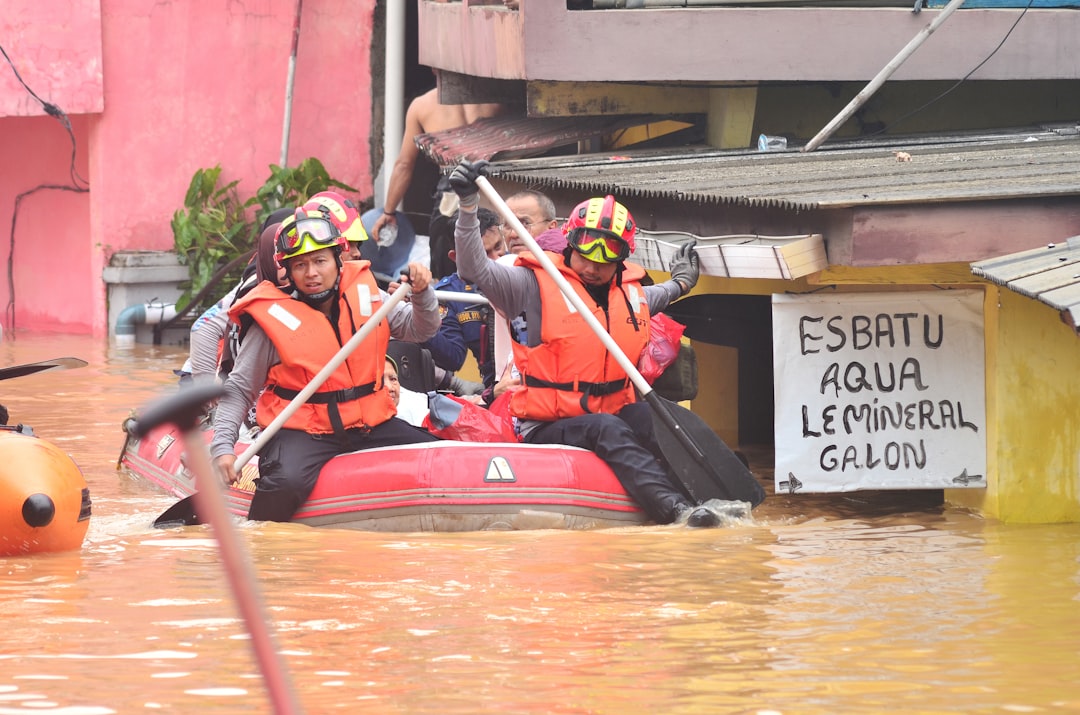
In the hierarchy of flood risk, Flood Zone 3b – the Functional Floodplain – sits right at the top. This isn't just land that might flood occasionally; this is land specifically identified by the Environment Agency (in England, with similar concepts in devolved nations) as playing a vital role in storing or conveying floodwater during significant flood events. For developers, a Flood Zone 3b designation on any part of a potential site is a major red flag, often bringing with it severe restrictions on development and a potentially drastic impact on land value.
In fact, the designation of land as functional floodplain can reduce its development potential and perceived land value by up to 90% or more, essentially sterilising it for most types of built development. However, our review of Strategic Flood Risk Assessments (SFRAs) across 25 local authorities found significant inconsistencies in how these critical Flood Zone 3b designations are sometimes delineated and applied at a local level. In multiple instances, we've encountered functional floodplain boundaries apparently based on outdated modelling, overly broad-brush assessments, or sometimes, an inappropriate application of national planning policy to specific local circumstances. This can result in unnecessary restrictions on otherwise potentially developable land (albeit with very careful design and justification).
This detailed examination explains what functional floodplain is, the stringent development restrictions it imposes, how designations can sometimes be reviewed or challenged with robust technical evidence, and what (if any) development options remain.
What Defines Functional Floodplain (Flood Zone 3b)?
According to the National Planning Policy Framework (NPPF) in England, Flood Zone 3b Functional Floodplain is defined as:
- Land where water has to flow or be stored in times of flood.
- It comprises land which would flood with an annual probability of 1 in 20 (5%) or greater in any year, OR land designed to flood in an extreme (0.1%) flood, OR that is used as part of a managed flood defence scheme.
Essentially, this land is performing an active flood risk management function. Building on it, or raising ground levels, can displace floodwater, increasing risk to other areas, or impede vital flood flow paths.
Key characteristics and implications:
- Highest Flood Risk: Assumed to flood frequently and/or to significant depths.
- Development Severely Restricted: Only 'water-compatible' uses (like playing fields, nature reserves, or essential flood defence infrastructure) and 'essential infrastructure' (that has to pass the Exception Test and has no alternative locations) are generally considered. Housing, commercial, and most industrial uses are almost always inappropriate.
- No Compensatory Storage Option: Unlike in Flood Zone 3a (high probability zone but not functional floodplain), you generally cannot compensate for loss of functional floodplain storage by providing it elsewhere. The principle is to avoid loss in the first place.
(Internal Link Idea: Link to Aegaea's service page "Specialist FRAs for Flood Zone 3b & Functional Floodplain")
The Critical Difference: Flood Zone 3a vs. Flood Zone 3b
It's vital to distinguish between Flood Zone 3a and 3b, as the planning implications are vastly different:
- Flood Zone 3a (High Probability): Land with a 1 in 100 or greater annual probability of river flooding, or a 1 in 200 or greater annual probability of sea flooding. Development may be permissible here if it passes the Sequential Test and, if necessary, the Exception Test, and can be made safe with appropriate mitigation (like raised floor levels, compensatory storage).
- Flood Zone 3b (Functional Floodplain): As defined above. Development is highly constrained. The Exception Test is only applicable to essential infrastructure, not to 'more vulnerable' uses like housing.
Misidentification of 3a land as 3b (or vice-versa) can have enormous consequences for development viability.
(Potential Backlink: Link to the NPPF or Planning Practice Guidance defining flood zones.)
Can Functional Floodplain Designations Be Challenged or Refined?
While challenging an EA-defined Flood Zone 3b map is a significant undertaking, it's not always impossible, particularly if:
- The Designation is Based on Coarse or Outdated Modelling: National flood maps are, by necessity, broad-brush. Detailed, site-specific hydraulic modelling using up-to-date topographical survey data and hydrological analysis can sometimes demonstrate that the actual functional floodplain on your specific site is smaller or configured differently than the indicative mapping suggests.
- There's Evidence of Significant Changes Since Designation: Have local flood defences been upgraded, or have river channels altered significantly since the mapping was done? This might (in rare cases) affect the functional floodplain extent.
- Misapplication of Policy at a Local Level: Occasionally, an SFRA might designate local functional floodplain areas using criteria that are not fully aligned with national policy, or without sufficiently robust technical backing. This is rarer but can occur.
The Process (Generally Involves):
- Detailed Site-Specific FRA: Including advanced 1D/2D hydraulic modelling to accurately define flood mechanisms, depths, velocities, and the land's actual role in storing/conveying floodwater for the relevant design events (e.g., the 1 in 20-year flood).
- Robust Technical Justification: Clearly demonstrating, with auditable model results, why the existing designation may be inaccurate for your specific site or part of it.
- Early and Ongoing Engagement with the Environment Agency (or NRW/SEPA): This is crucial. You need to present your evidence to them and seek their agreement to a revised interpretation or a formal Flood Map Challenge if appropriate.
Be warned: This is a technically complex, often lengthy, and potentially expensive process with no guarantee of success. It should only be undertaken if initial feasibility work suggests a strong technical case exists.
(Internal Link Idea: Link to Aegaea's blog: "Hydraulic Modelling for FRAs: A Technical Guide")
Development Options: Slim Pickings in Flood Zone 3b
If the Flood Zone 3b designation is robust and accurate, development options are extremely limited:
- Water-Compatible Uses: Sports pitches (though changing rooms may need careful siting/design), agriculture (excluding buildings), nature conservation areas, outdoor recreation.
- Essential Infrastructure: Only if it must be located there, passes the Exception Test, and is designed to remain operational and safe during floods (e.g., a critical road crossing, utility infrastructure that cannot be re-routed).
- Flood Defence and Management Works: Structures designed to manage flood risk.
Any built elements of even these uses would need to be designed to withstand flooding and not impede flood flows.
Case Study: Successful Reclassification of Over-Broad Functional Floodplain
A client owned a large, previously developed (brownfield) site, a significant portion of which was designated Flood Zone 3b on EA maps, rendering their mixed-use regeneration plans unviable.
Aegaea's Detailed Investigation:
- Commissioned high-resolution LiDAR and a detailed topographical survey.
- Undertook advanced 1D-2D hydraulic modelling of the adjacent river and the site itself for a range of flood events, including the critical 1 in 20-year event.
- The modelling demonstrated that while some parts of the site did indeed function as active floodplain, a substantial area designated as 3b was, in reality, raised ground from previous industrial use and did not store or convey significant floodwater in a 1 in 20-year event. It effectively behaved more like Flood Zone 3a.
- A comprehensive technical report was prepared and submitted to the Environment Agency, alongside pre-application discussions with the LPA.
The Outcome: After rigorous review, the Environment Agency agreed that the detailed site-specific modelling provided a more accurate representation of flood risk. They accepted a revised flood zone delineation for planning purposes on that specific site, reclassifying a key portion from 3b to 3a. This unlocked the regeneration potential, allowing a carefully designed scheme (with appropriate mitigation for 3a risks) to proceed. The increase in developable land value far outweighed the significant cost of the detailed technical work.
Conclusion: Know Your Zones, Protect Your Assets
Functional Floodplain (Flood Zone 3b) is the planning system's clearest signal that development should be avoided. For landowners and developers, understanding this designation and its implications is paramount from the earliest stages of site appraisal.
While challenging a designation is a complex path, for certain sites with strong technical evidence, it can be a route to unlocking unforeseen potential. More often, respecting the functional floodplain means innovative thinking about how these areas can be incorporated into a wider development as valuable green infrastructure, providing amenity, biodiversity, and vital flood storage for the benefit of all.
Is your site impacted by a Flood Zone 3b designation? Aegaea provides expert assessment and strategic advice to navigate these highly constrained environments.
Contact Aegaea for Functional Floodplain (Flood Zone 3b) Assessment & Strategy